
Bengaluru start-up develops electricity-free portable emergency oxygen generator
A portable, electricity-independent alternative oxygen-generation technology could be relevant in locations where infrastructure is limited or power supply is unreliable.
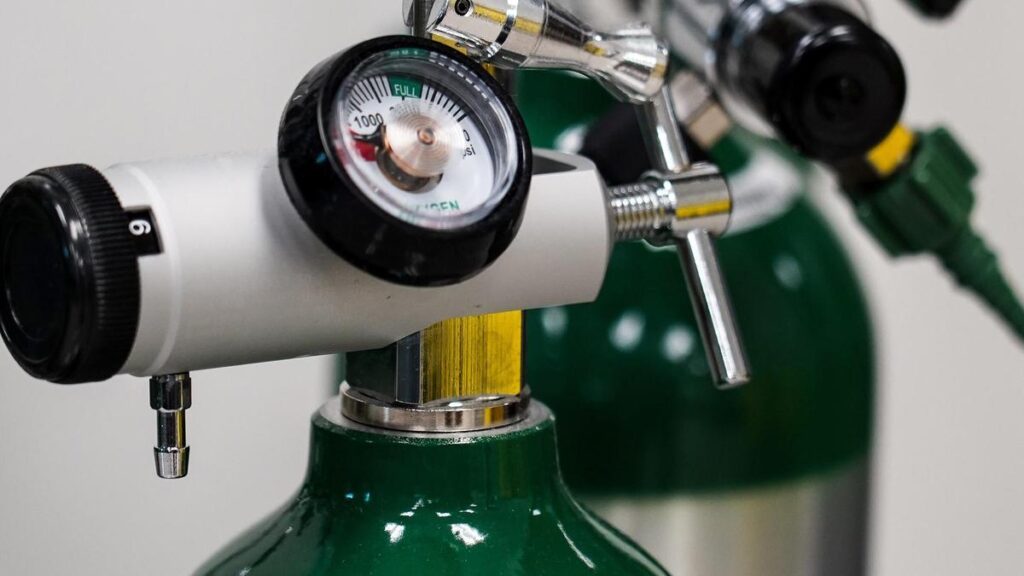
| Photo Credit: IMAGE FOR REPRESENTATIONAL PURPOSE ONLY
Access to medical oxygen during the critical minutes before an ambulance or professional medical assistance arrives could make a difference between life and death in an emergency. Bengaluru-based start-up O2-Matic is seeking to address this gap with a portable oxygen-generation technology that works without electricity, with potential applications in public spaces, residential communities, schools and colleges, and individual homes.
Founded in 2016, the company developed a chemical-based technology that generates oxygen on demand through replaceable cartridges. Its flagship product, Portia, launched in March 2021, is a portable emergency oxygen kit that, according to the company, generates 99.7% pure medical-grade oxygen in under 40 seconds through a two-step process, without requiring an external power supply.
The idea emerged from concerns about the accessibility of emergency oxygen, particularly outside major urban centres. The company’s research in 2015 indicated that oxygen supply chains could face disruptions 25 to 50 km from metropolitan centres, with supplies potentially becoming unavailable beyond 100 km.
“The challenge was not just producing oxygen. It was making it accessible at the point of an emergency,” said John Joy, chief technology officer and co-founder of O2-Matic.
A portable, electricity-independent alternative could be relevant in locations where infrastructure is limited or power supply is unreliable. However, its usefulness in emergencies would also depend on appropriate placement, availability of consumables and clear protocols for use alongside professional medical care.
Mr. Joy further said, “We want emergency oxygen to become an everyday safety essential, rather than something people discover they need only when an emergency happens.”
The company is in talks with several government departments and private enterprises, and its technology is also part of the Aarogya Maitri BHISHM Cube, India’s portable disaster-response hospital initiative.
According to Mr. Joy, the company’s product has potential applications in home healthcare, remote primary health centres, ambulances, disaster-relief operations and other situations where conventional oxygen infrastructure may be difficult to maintain.
Wider adoption, however, would require public awareness, reliable cartridge replacement, appropriate training and clarity on when the device should be used. Also, the availability of emergency oxygen cannot replace prompt medical assessment or emergency services, and the suitability of any device depends on the patient’s condition. For India, where access to timely emergency care can vary significantly between urban and remote communities, decentralising essential emergency equipment is an important public-safety consideration, he opined, adding, “The larger question is whether such technologies can be made accessible, affordable and appropriately integrated into emergency-response systems, rather than remaining confined to select institutions.”
Published – November 29, 2026 06:00 am IST
Source: www.thehindu.com